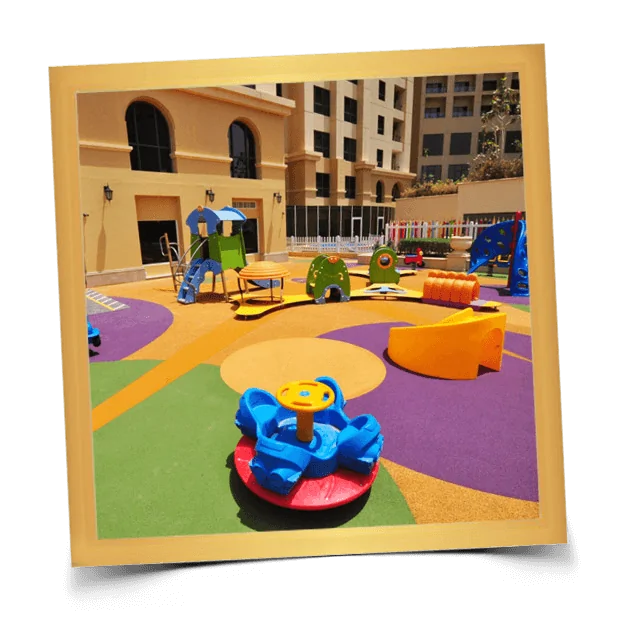
We often view play as a simple childhood pleasure, a break from the serious work of learning. However, educational research tells a different story. For young children, play is the fundamental mechanism for understanding the world.
Play-based learning forms the cornerstone of high-quality early childhood education, fostering essential development in a natural and effective way. Parents who desire this critical foundation for their child’s growth will find it in any respected nursery near Dubai Marina.
Building Cognitive Foundations:
When children build block towers, they grasp early math and physics concepts. Sorting colored beads or engaging in pretend play at a market stall introduces them to patterns, categories, and social roles.
This active exploration allows children to test hypotheses, solve problems, and develop memory skills. Play presents challenges that require thinking, such as figuring out which puzzle piece fits or how to balance structures. These activities build neural pathways in a way passive instruction cannot.
Developing Social and Emotional Skills:
Group play is a training ground for life. Children learn to negotiate, share resources, and take turns. They navigate conflicts, express their feelings, and begin to understand the perspectives of others. Through role-playing, they practice empathy by stepping into different characters.
A child who pretends to be a teacher, a parent, or a doctor explores complex social dynamics in a safe environment. This process builds confidence, resilience, and the ability to collaborate.
Strengthening Physical Abilities:
Play naturally promotes physical development. Running, climbing, and jumping improve gross motor skills, coordination, and overall health. Meanwhile, activities like drawing, stacking small objects, or threading laces refine fine motor control and hand-eye coordination.
These physical skills are necessary for future tasks like writing, using tools, and caring for oneself.
Cultivating Communication and Language:
Play-rich environments are full of conversation. Children describe their actions, narrate their imaginative stories, and ask questions. They learn new vocabulary in context, whether they are naming construction equipment in the sandbox or discussing the ingredients for a mud-pie. This verbal interaction with peers and educators strengthens language acquisition and communication skills more effectively than rote learning.
Choosing an early education setting that champions a structured play-based approach is a significant decision. It selects an environment where learning feels organic and engaging. Such programs lay a robust foundation for literacy, numeracy, and scientific thinking by connecting them to tangible, enjoyable experiences. For families, the goal is a nurturing place where a child’s natural curiosity drives development.