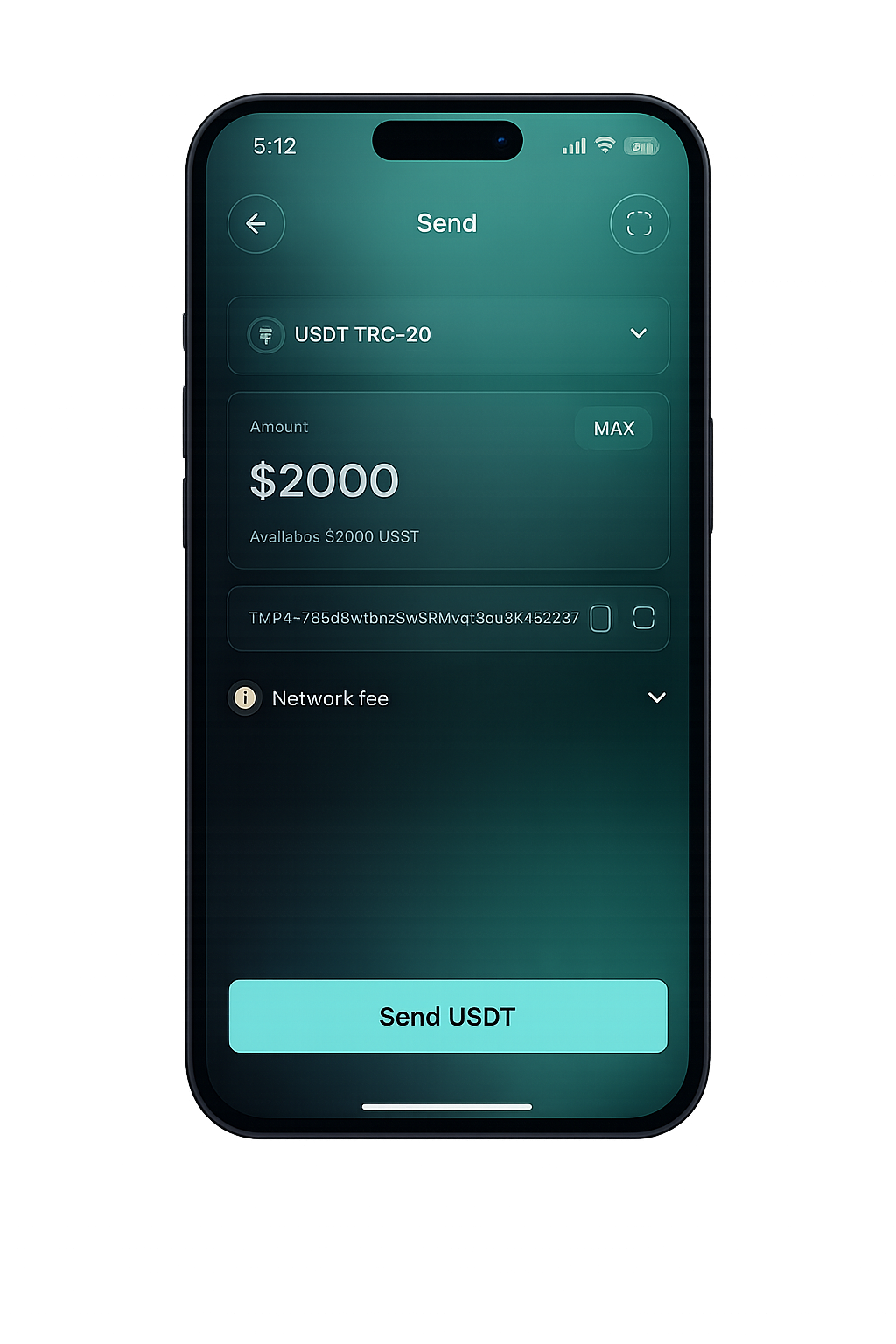
The link between digital assets and everyday spending runs through crypto cards, and that link brings card issuers and payment processors into the scope of financial regulation. Authorities concentrate on anti-money laundering controls, customer identity verification, and ongoing transaction monitoring. Meeting these standards helps providers build systems that partners and users can trust.
For businesses operating in the region, understanding crypto regulation in the UAE is essential to running compliant and effective payment operations. This applies to those handling assets such as USDT ERC20.
Licensing sets the foundation
Payment providers operate under licenses that define their permitted services. Crypto activity adds another layer because digital assets bring compliance concerns. A provider may require approval for crypto payment services. Firms that follow the correct licensing route reduce legal exposure and give partners a basis for cooperation.
Identity checks protect the system
Card providers screen customers before they open accounts or access crypto-linked services. Know-your-customer checks verify identity and help firms’ spot suspicious activity. Transaction monitoring adds another layer by reviewing transfers, spending patterns, and unusual account behavior. These controls support anti-money laundering programs and help providers respond to alerts fast.
Payment limits support security
Crypto cards may connect to volatile assets and transactions. Providers set spending limits, withdrawal rules, merchant restrictions, and account controls to reduce financial risk. Some firms freeze transactions after suspicious activity appears. Clear limits protect providers and customers while reducing exposure to fraud, account abuse, and unauthorized payments.
Consumer rules influence card design
Regulation affects the customer experience. Providers must explain fees, conversion rates, transaction terms, and risks in clear language. Marketing claims must match the service. If a card supports crypto-to-fiat conversion, the provider explains how the conversion works and when charges apply. Clear information helps users make informed choices before use.
Compliance affects business costs
Meeting regulatory standards requires technology, trained staff, and audits, monitoring tools, legal support, and reporting systems. These expenses influence pricing and product design. Providers review partners, merchants, and technology vendors before adding services. A strong compliance program helps firms manage operational risks while supporting steady business growth.
Regulation supports wider adoption
Clear crypto rules give card and payment providers a clearer framework for product development. They give banks, merchants, and customers confidence in crypto payments. As regulators refine digital asset rules, providers adjust their systems, policies, and controls. Firms that treat compliance as a core business function stand in a better position as regulated crypto payments gain wider use.